The golden leaves begin their graceful descent, carrying with them the whispered secrets of seasonal transition. As summer's vibrant energy gradually yields to autumn's contemplative stillness, our bodies and minds embark on their own journey of transformation. This ancient dance between human physiology and nature's rhythms forms the foundation of traditional wisdom that has guided countless generations toward harmonious living.
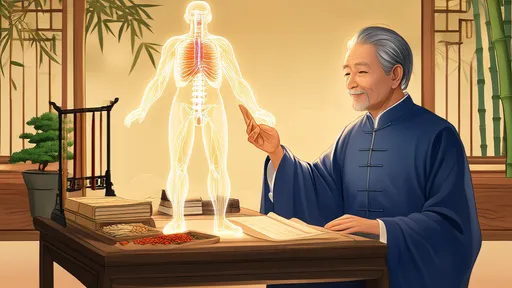
Traditional Chinese medicine perceives autumn as the season of the Metal element, governing the Lungs and Large Intestine meridians. This period represents a time of letting go, much like trees releasing their leaves. The Lung energy, according to this philosophy, governs not only respiration but also our body's defensive energy and our ability to process grief. When autumn arrives with its characteristic dryness and cooling temperatures, our Lung system becomes particularly vulnerable. Understanding this fundamental connection between seasonal changes and our internal landscape provides the first step toward embracing autumn's gifts while maintaining physical and emotional equilibrium.
The morning air carries a distinctive crispness that signals nature's shifting priorities. During these transitional weeks, our bodies undergo subtle but significant adjustments in metabolic rate, circadian rhythms, and hormonal balance. Research in chronobiology confirms that seasonal changes affect our internal clocks, influencing everything from sleep patterns to immune function. The decreasing daylight triggers complex neurochemical responses, while cooler temperatures demand greater energy expenditure for maintaining core body temperature. These physiological adaptations explain why many people experience changes in appetite, energy levels, and even mood during autumn months.
Nutritional choices become particularly significant during seasonal transitions. Traditional wisdom emphasizes the importance of incorporating moistening foods to counter autumn's characteristic dryness. Think of pears simmered with rock sugar, walnuts harvested at their peak, and persimmons glowing like miniature suns. These foods provide essential nutrients while helping maintain mucosal health in respiratory and digestive systems. Meanwhile, incorporating moderate amounts of pungent flavors like ginger, scallions, and radishes can help support Lung function according to traditional dietary therapy principles.
The concept of harvest preservation extends beyond the vegetable garden to our own energy reserves. As nature begins its inward contraction, we would do well to follow suit by conserving our vital energy. This doesn't mean complete inactivity but rather a shift toward more mindful movement. The vigorous exercises of summer might gradually give way to gentler practices like tai chi, qigong, or contemplative walking. These disciplines not only maintain physical flexibility and strength but also cultivate the calm, centered awareness that aligns perfectly with autumn's introspective nature.
Sleep patterns naturally evolve with the changing season. The earlier sunsets and later sunrises invite us to adjust our bedtime routines accordingly. Traditional wisdom suggests retiring slightly earlier and rising with the dawn, thus harmonizing our sleep-wake cycle with nature's light-dark rhythm. Creating a bedtime ritual that includes turning off electronic devices at least an hour before sleep, practicing gentle breathing exercises, or drinking a warm cup of chamomile tea can significantly improve sleep quality. Remember that adequate, restorative sleep forms the foundation of strong immunity, especially important as we approach cold and flu season.
Our emotional landscape often mirrors autumn's external environment. Just as trees release leaves they no longer need, we might find ourselves contemplating what emotional baggage we're ready to release. The Lung energy's connection to grief and letting go makes autumn an ideal time for emotional housecleaning. Journaling, meditation, or simply sitting quietly with our thoughts can help process accumulated emotions. This emotional release creates space for new growth when spring eventually returns.
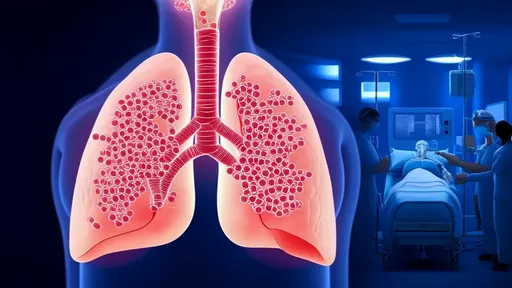
Environmental adjustments play a crucial role in seasonal wellness. As humidity levels drop, maintaining adequate moisture in our living spaces becomes increasingly important. Using humidifiers, placing bowls of water near heat sources, or keeping houseplants can help counteract dryness. Meanwhile, proper ventilation remains essential despite cooler temperatures, as fresh air circulation helps prevent the stagnation that can contribute to respiratory issues. Creating a living environment that balances moisture and fresh air supports respiratory health throughout the drier months.
The skin, our body's largest organ, requires special attention during autumn's transition. The combination of cooler outdoor air and indoor heating can strip moisture from skin, leading to dryness, itching, and irritation. Switching to richer moisturizers, taking shorter showers with lukewarm water, and staying well-hydrated can help maintain skin integrity. Don't forget that skin health reflects internal hydration, so drinking adequate water remains crucial even as temperatures drop.
Social connections take on renewed importance as daylight hours diminish. While autumn naturally invites introspection, maintaining meaningful social engagement provides emotional warmth that counterbalances the season's cooling trend. Sharing seasonal meals, taking group nature walks, or simply gathering for conversation can uplift spirits and strengthen community bonds. These connections become particularly valuable as we approach the holiday season, helping prevent the isolation that sometimes accompanies colder months.
Mindfulness practices gain special relevance during autumn's transition. The season's inherent qualities of release and change provide perfect opportunities for cultivating present-moment awareness. Whether through formal meditation, mindful eating, or simply paying attention to the sensation of crisp air entering our lungs, these practices ground us in the here and now. This mindful approach helps us navigate seasonal changes with greater grace and less resistance.
As we move deeper into autumn, our relationship with temperature requires thoughtful consideration. The temptation to crank up the heat at the first sign of chill can create extreme temperature differentials that stress our systems. Instead, traditional wisdom recommends dressing in layers and allowing our bodies to gradually adapt to cooler conditions. This approach strengthens our resilience and prepares us for winter's greater challenges.
The wisdom of seasonal living reminds us that we are not separate from nature but participants in its eternal cycles. By aligning our habits with autumn's essential qualities—release, introspection, and preparation—we honor both ancient traditions and contemporary understanding of wellness. This harmonious approach allows us to move through seasonal transitions not as battles to be won but as dances to be enjoyed, finding beauty and meaning in each phase of nature's endless cycle.
Ultimately, autumn invites us to practice the art of letting go while maintaining our core stability. Like trees that stand firm while releasing their leaves, we can learn to hold steady through life's changes while gracefully releasing what no longer serves us. This balanced approach to seasonal transition embodies the deepest wisdom of traditional health practices—living in harmony with nature's rhythms while nurturing our individual wellbeing. As the season unfolds its unique beauty, may we move through it with awareness, appreciation, and the quiet confidence that comes from aligning ourselves with nature's timeless wisdom.

By /Oct 14, 2025

By /Oct 14, 2025

By Daniel Scott/Oct 14, 2025

By /Oct 14, 2025

By Benjamin Evans/Oct 14, 2025

By Ryan Martin/Oct 14, 2025
By John Smith/Oct 14, 2025

By /Oct 14, 2025

By /Oct 14, 2025
By /Oct 14, 2025

By Thomas Roberts/Oct 14, 2025

By /Oct 14, 2025

By Amanda Phillips/Oct 14, 2025

By /Oct 14, 2025

By Megan Clark/Oct 14, 2025

By Thomas Roberts/Oct 14, 2025

By /Oct 14, 2025

By /Oct 14, 2025
By /Oct 14, 2025

By /Oct 14, 2025
