The thunder of artillery fades, the dust settles, and the world declares peace. But for those who have endured the crucible of combat, a different, more insidious war often begins. It is a war waged not on foreign soil, but within the labyrinth of the human mind. The psychological impact of armed conflict leaves scars that are invisible to the naked eye yet can be more debilitating than any physical injury. The term "shell shock" from the trenches of World War I has evolved through "combat fatigue" to the modern clinical understanding of Post-Traumatic Stress Disorder (PTSD), but the core agony remains the same: the human psyche is not built to process the extreme horrors of warfare. This is a profound and universal human challenge, one that transcends borders, cultures, and the specifics of any single conflict.
Understanding the nature of this psychological injury is the first step toward addressing it. Post-Traumatic Stress Disorder is perhaps the most recognized consequence, a complex condition that rewires the brain's fear response. Individuals are haunted by intrusive memories, vivid flashbacks that transport them back to the moment of terror, and debilitating nightmares that shatter sleep. This hyper-arousal keeps the nervous system in a perpetual state of red alert, where a car backfiring can trigger a full-scale panic attack. Yet, the damage is not monolithic. Many grapple with moral injury, a deep, soul-shattering wound that occurs when one perpetrates, fails to prevent, or witnesses acts that betray their core ethical beliefs. It is not merely a symptom of fear, but a crisis of conscience, leading to profound shame, guilt, and a loss of trust in oneself and the world. Furthermore, the loss of comrades creates a grief that is both personal and collective, a heavy burden carried by the entire unit. The transition from the structured, high-stakes environment of a warzone to the mundane complexities of civilian life can also induce a profound identity crisis, leaving many feeling alienated and purposeless.
Despite the universality of this suffering, the journey toward healing is fraught with formidable obstacles. The very culture of the military and many societies often glorifies stoicism and views emotional vulnerability as a sign of weakness. This creates a powerful stigma that silences those in pain, making them less likely to seek the help they desperately need. They fear being perceived as broken, as a burden to their unit, or as damaging the heroic narrative surrounding their service. Compounding this is a critical shortage of mental health resources specifically trained to handle the unique complexities of combat trauma. Long wait times, understaffed clinics, and a lack of culturally competent care—therapists who truly understand the military experience—create a system that can feel inaccessible and impersonal. Many veterans report a profound sense of alienation upon returning home; the civilian population, with no frame of reference for their experiences, often offers well-intentioned but hollow platitudes or, worse, avoids the topic altogether. This societal disconnect can deepen the isolation, making the veteran feel like a ghost in their own country.
Yet, within this landscape of pain, there is a growing and robust field of psychological recovery, offering a mosaic of pathways toward healing. Trauma-focused psychotherapy is the cornerstone of clinical intervention. Cognitive Processing Therapy (CPT) helps individuals challenge and reframe the destructive beliefs about their trauma, such as pervasive self-blame. Prolonged Exposure (PE) therapy carefully and systematically allows patients to confront their traumatic memories in a safe environment, thereby robbing them of their power. Eye Movement Desensitization and Reprocessing (EMDR) is another powerful modality that uses bilateral stimulation to help the brain reprocess stuck memories, reducing their emotional charge. Beyond the therapist's office, peer support has emerged as an invaluable, and often more trusted, resource. Connecting with fellow veterans who have "been there" creates an immediate bond of understanding that bypasses the need for lengthy explanations. In these groups, shared silence can be as therapeutic as shared words.
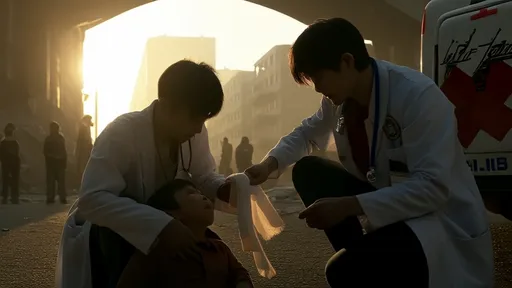
The healing process extends beyond talk therapy, embracing holistic and community-based approaches. Service dogs provide not only companionship but also a tangible sense of security, interrupting anxiety attacks and offering unconditional acceptance. Adventure therapy programs, which use activities like rock climbing and white-water rafting, help rebuild a sense of competence, trust, and camaraderie. The creative arts—whether writing, painting, or music—offer a non-verbal outlet for expressing the inexpressible, giving form to the formless pain inside. For some, the path to making meaning out of their experience involves helping others, through mentorship, volunteer work, or advocacy, transforming their personal struggle into a source of strength for the community. The role of family and loved ones is also paramount; their educated and patient support can create a safe harbor, though they too often bear the secondary trauma and require their own support systems.
Ultimately, addressing the psychological fallout of war is not just a clinical or individual responsibility; it is a profound societal and moral obligation. A true cultural shift is required—one that moves beyond simplistic "thank you for your service" gestures and actively works to destigmatize mental health struggles within the military and veteran communities. This means leadership that openly champions psychological well-being, public education campaigns that normalize seeking help, and policies that ensure seamless, high-quality, and accessible care for all who have served. Funding must be prioritized not just for treatment, but for research into more effective interventions and for the support networks that sustain families. As a society, we must commit to listening to these stories, however uncomfortable they may be, and to creating a community that is truly worthy of the sacrifices made by its protectors.
The journey of psychological recovery from war is not a linear path to a cure. It is a lifelong process of integration and management, of learning to carry the weight of memory without being crushed by it. It is about forging a new identity that acknowledges the past without being defined by it. The battlefield leaves an indelible mark, but it does not have to be a life sentence of suffering. Through a combination of clinical science, compassionate community, and individual courage, the mind, though scarred, can find its way back from the brink. It can learn to hear a loud noise without flinching, to sleep through the night, to experience joy without guilt, and to once again find purpose and connection in a world remade by peace. The mission does not end when the guns fall silent; the most critical mission—the mission of healing the human spirit—is only just beginning.

By /Oct 14, 2025

By /Oct 14, 2025

By Daniel Scott/Oct 14, 2025

By /Oct 14, 2025
By Benjamin Evans/Oct 14, 2025

By Ryan Martin/Oct 14, 2025
By John Smith/Oct 14, 2025
By /Oct 14, 2025

By /Oct 14, 2025

By /Oct 14, 2025

By Thomas Roberts/Oct 14, 2025
By /Oct 14, 2025

By Amanda Phillips/Oct 14, 2025

By /Oct 14, 2025

By Megan Clark/Oct 14, 2025
By Thomas Roberts/Oct 14, 2025
By /Oct 14, 2025

By /Oct 14, 2025

By /Oct 14, 2025

By /Oct 14, 2025
