Have you ever wondered why some people develop high blood pressure while others with similar lifestyles remain unaffected? The answer lies in the complex interplay between genetics, lifestyle choices, and environmental factors that make certain individuals more susceptible to this silent condition. Understanding these risk factors isn't about assigning blame but about empowering ourselves with knowledge to take preventive measures.
The Genetic Connection: When Family History Speaks Volumes
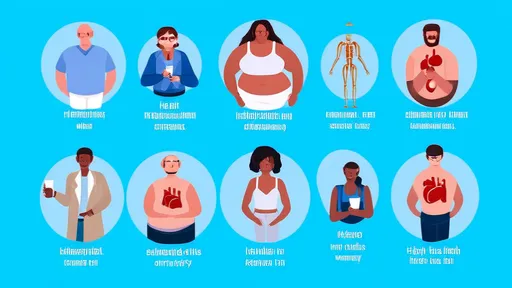
If high blood pressure runs in your family, you might be carrying more than just family traditions. Research consistently shows that hypertension has a strong hereditary component. Scientists have identified numerous genes that influence blood pressure regulation, from those controlling kidney function to those affecting blood vessel elasticity. This doesn't mean you're destined to develop hypertension if your parents had it, but rather that your genetic makeup might require you to be more vigilant about lifestyle factors. The genetic predisposition often manifests as your body being more sensitive to salt, having different stress response mechanisms, or processing medications differently. Knowing your family history provides you with the opportunity to implement preventive strategies earlier rather than waiting for symptoms to appear.
The Age Factor: Why Time Matters in Blood Pressure
As we celebrate more birthdays, our blood vessels undergo natural changes that can contribute to rising blood pressure. Arteries gradually become stiffer and less flexible, forcing the heart to work harder to pump blood throughout the body. This process, known as arteriosclerosis, affects nearly everyone to some degree as they age. However, the rate at which these changes occur varies significantly between individuals based on their lifestyle choices and genetic factors. While we can't stop the clock, we can certainly influence how our cardiovascular system ages through consistent healthy habits.
The Weight-Blood Pressure Relationship: Carrying More Than Extra Pounds
Excess weight does more than just change how clothes fit—it fundamentally alters how your cardiovascular system functions. Each additional pound of body fat requires your body to create new blood vessels to supply oxygen and nutrients to that tissue. This expanded network means your heart must work harder to pump blood through what essentially becomes a larger system. Furthermore, fat tissue, particularly around the abdomen, produces inflammatory substances that can damage blood vessels and interfere with normal blood pressure regulation. The good news is that even modest weight loss can produce significant improvements in blood pressure readings.
Sedentary Lifestyle: The Dangers of Sitting Too Much
In our modern world of desk jobs and digital entertainment, physical inactivity has become a widespread health concern. Regular physical activity does more than just burn calories—it strengthens your heart muscle, making it more efficient at pumping blood. When your heart works more efficiently, the force on your arteries decreases, resulting in lower blood pressure. Exercise also helps maintain flexible blood vessels and can reduce stress levels. The concerning reality is that many people underestimate how sedentary they've become, not realizing that prolonged sitting can negatively impact cardiovascular health even if they engage in occasional exercise.
Dietary Choices: The Salt and Potassium Balance
What you eat directly influences your blood pressure, with sodium playing a particularly crucial role. When you consume too much salt, your body retains extra water to dilute the sodium concentration in your bloodstream. This increased blood volume means more pressure against your artery walls. Meanwhile, many modern diets are deficient in potassium, a mineral that helps balance sodium levels in your cells and relaxes blood vessel walls. The typical Western diet, high in processed foods and low in fruits and vegetables, creates the perfect storm for blood pressure issues. Becoming mindful of not just what you eat but how different nutrients interact can make a substantial difference in your cardiovascular health.
Stress and Blood Pressure: The Mind-Body Connection
While occasional stress is normal, chronic stress can take a serious toll on your blood pressure. When you're stressed, your body releases hormones like adrenaline and cortisol that temporarily increase your blood pressure by causing your heart to beat faster and your blood vessels to narrow. For people experiencing constant stress, these temporary spikes can become long-term problems. Furthermore, people under stress often cope through unhealthy behaviors like poor dietary choices, increased alcohol consumption, or smoking, which compound the problem. Learning to manage stress through healthy techniques is not just good for your mental health—it's essential for your physical wellbeing too.
Alcohol and Tobacco: Double Trouble for Your Blood Vessels
Both alcohol and tobacco represent significant modifiable risk factors for high blood pressure. The chemicals in tobacco smoke damage the lining of your arteries, causing them to narrow and harden. Meanwhile, nicotine temporarily raises blood pressure and heart rate. Alcohol presents a more complex picture—while moderate consumption might have neutral or even slightly protective effects for some people, heavy drinking consistently elevates blood pressure. Alcohol contains empty calories that can contribute to weight gain, and it can interfere with the effectiveness of blood pressure medications. The combination of smoking and heavy drinking creates a particularly dangerous scenario for cardiovascular health.
Underlying Health Conditions: When High Blood Pressure is a Symptom
Sometimes, high blood pressure isn't a primary condition but rather a symptom of another health issue. Kidney disease can impair the organ's ability to regulate fluid and salt balance. Thyroid problems can disrupt heart rate and blood vessel function. Sleep apnea, characterized by repeated breathing interruptions during sleep, causes sudden drops in blood oxygen that increase blood pressure. Even diabetes significantly increases hypertension risk by damaging the small blood vessels and nerves that control cardiovascular function. Identifying and managing these underlying conditions often leads to better blood pressure control.
Ethnicity and Socioeconomic Factors: The Broader Context
Research has revealed disturbing disparities in hypertension prevalence among different ethnic groups and socioeconomic strata. African Americans tend to develop high blood pressure earlier in life and often experience more severe readings. The reasons are complex, involving genetic factors, higher sensitivity to salt, and socioeconomic factors that limit access to healthcare and healthy food options. People living in food deserts or facing financial constraints may find it challenging to maintain the diet and lifestyle necessary for optimal blood pressure control. These disparities highlight the importance of addressing hypertension not just as an individual health issue but as a public health concern requiring community-based solutions.
Understanding these risk factors provides the foundation for taking proactive steps toward better cardiovascular health. While some factors like age and genetics are beyond our control, many others respond well to lifestyle modifications. Regular blood pressure monitoring, combined with targeted changes in diet, exercise, and stress management, can significantly reduce your risk. Remember that small, consistent changes often yield better long-term results than drastic overhauls. Your journey to better blood pressure health starts with awareness and continues with daily choices that support your cardiovascular system.

By /Oct 14, 2025

By /Oct 14, 2025

By Daniel Scott/Oct 14, 2025

By /Oct 14, 2025

By Benjamin Evans/Oct 14, 2025

By Ryan Martin/Oct 14, 2025
By John Smith/Oct 14, 2025
By /Oct 14, 2025

By /Oct 14, 2025

By /Oct 14, 2025

By Thomas Roberts/Oct 14, 2025

By /Oct 14, 2025

By Amanda Phillips/Oct 14, 2025

By /Oct 14, 2025

By Megan Clark/Oct 14, 2025

By Thomas Roberts/Oct 14, 2025

By /Oct 14, 2025

By /Oct 14, 2025
By /Oct 14, 2025

By /Oct 14, 2025
