In the quiet rhythm of our existence, breathing remains the most fundamental yet overlooked act of life. The air we draw into our lungs carries oxygen—the invisible fuel that powers every cell in our bodies. For centuries, humanity has understood the vital importance of breath, but only in recent decades have we begun to truly master its therapeutic potential through the science of oxygen therapy.
The story of oxygen therapy begins not in modern hospitals, but in the observations of early physicians who noticed something remarkable: patients suffering from various ailments often showed improvement when exposed to fresh mountain air or coastal breezes. These observations, though anecdotal, pointed toward oxygen's healing properties long before the gas itself was properly identified. The formal discovery of oxygen in the late 18th century by Carl Wilhelm Scheele and Joseph Priestley, followed by Antoine Lavoisier's naming of the element, set the stage for understanding its biological significance.
Understanding Oxygen's Journey
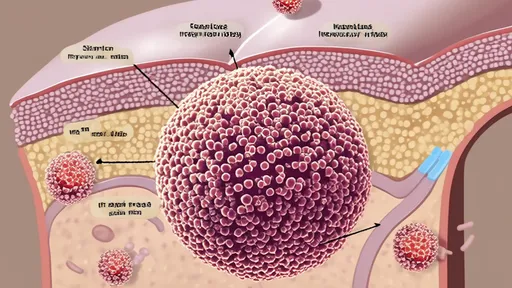
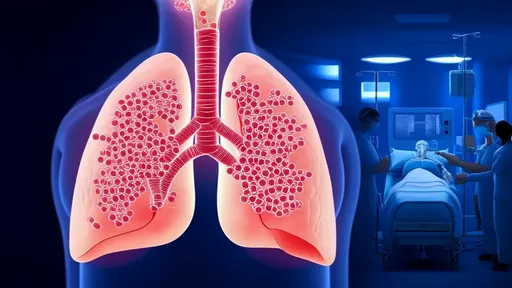
To appreciate oxygen therapy, we must first follow oxygen's incredible journey from the atmosphere to our cells. With each inhalation, air travels through increasingly narrow passages until it reaches the alveoli—the delicate, grape-like clusters where gas exchange occurs. Here, oxygen molecules cross a thin membrane into the bloodstream, where they bind to hemoglobin in red blood cells. This oxygen-rich blood then travels through arteries and capillaries, finally releasing its precious cargo to cells throughout the body.
The efficiency of this process depends on numerous factors: lung health, blood quality, cardiovascular function, and even the concentration of available oxygen. When any part of this system falters, the body's oxygen supply becomes compromised, leading to a condition called hypoxia. This oxygen deprivation triggers a cascade of cellular distress signals, forcing organs to operate in emergency mode. It's in these critical moments that supplemental oxygen becomes not just beneficial, but potentially life-saving.
The Evolution of Oxygen Delivery
Modern oxygen therapy has evolved far beyond the primitive oxygen tents of the early 20th century. Today's approaches are sophisticated, precise, and tailored to individual needs. The most common method remains the nasal cannula—that familiar two-pronged tube that delivers oxygen directly into the nostrils. While simple in design, its effectiveness has made it the workhorse of oxygen therapy for decades.
For patients requiring higher oxygen concentrations, oxygen masks provide a more secure delivery system. Simple face masks cover the nose and mouth, while Venturi masks use specialized ports to precisely control the oxygen-to-air ratio. Non-rebreather masks take this a step further, incorporating a reservoir bag and one-way valves to prevent exhaled air from diluting the oxygen supply, delivering concentrations approaching 95%.
Recent technological advances have brought unprecedented freedom to oxygen therapy patients. Portable oxygen concentrators, some no larger than a handbag, use sophisticated molecular sieves to extract oxygen directly from room air. These devices have revolutionized quality of life for chronic oxygen users, allowing them to maintain active lifestyles while receiving continuous therapy. Meanwhile, liquid oxygen systems provide high-capacity storage in compact containers, though they require more specialized handling.
Clinical Applications and Considerations
The applications of oxygen therapy span numerous medical conditions, each with specific protocols and target saturation levels. In chronic obstructive pulmonary disease (COPD), long-term oxygen therapy has been shown to improve survival rates when used for at least 15 hours daily. For these patients, maintaining oxygen saturation between 88-92% represents the delicate balance between providing sufficient oxygen while avoiding the risk of carbon dioxide retention.
In emergency medicine, oxygen therapy serves as first-line treatment for conditions ranging from heart attacks to traumatic injuries. The "golden hour" following major trauma often includes high-flow oxygen to support compromised organs and prevent secondary damage. Meanwhile, in neonatal care, carefully calibrated oxygen therapy helps premature infants with underdeveloped lungs, though practitioners must navigate the fine line between sufficient oxygenation and preventing retinal damage.
Recent research has expanded oxygen therapy's applications into unexpected areas. Hyperbaric oxygen therapy, which involves breathing pure oxygen in a pressurized chamber, has shown promise in treating conditions as diverse as diabetic foot ulcers, carbon monoxide poisoning, and radiation tissue damage. The increased pressure allows oxygen to dissolve directly into the blood plasma, bypassing the usual hemoglobin transport system and delivering oxygen to tissues with compromised blood flow.
The Delicate Balance of Oxygen Dosing
One of the most critical aspects of oxygen therapy involves determining the appropriate dosage. Unlike many medications where "more is better" often applies, oxygen requires careful titration. The goal is to achieve adequate tissue oxygenation without causing oxygen toxicity—a condition where excessive oxygen generates harmful free radicals that damage cell membranes and enzymes.
Healthcare providers monitor oxygen saturation using pulse oximeters, but these devices have limitations. They cannot detect how effectively oxygen is being delivered to tissues or whether carbon dioxide levels are rising dangerously. This is why arterial blood gas analysis remains the gold standard for comprehensive assessment, providing detailed information about oxygen, carbon dioxide, and blood pH levels.
For patients requiring long-term oxygen therapy, the prescription must consider both medical needs and lifestyle factors. Some patients only require oxygen during physical exertion, while others need continuous flow. Sleep often presents particular challenges, as breathing patterns change and oxygen levels may drop precipitously. Modern equipment has adapted to these variations, with devices that can automatically adjust flow rates based on activity levels or breathing patterns.
Beyond Conventional Applications
The wisdom of breath extends beyond traditional medical applications into realms where oxygen enhancement supports peak performance and recovery. Athletes have experimented with oxygen supplementation for decades, particularly in high-altitude training. While the benefits for healthy individuals remain debated, the principle of optimizing oxygen delivery to working muscles underpins much of sports science.
In the corporate world, oxygen bars emerged as trendy establishments offering brief oxygen sessions purported to boost energy and mental clarity. While the physiological benefits for healthy people are questionable, the popularity of these venues speaks to our cultural fascination with oxygen's revitalizing potential. More substantively, some workplaces with poor ventilation have implemented oxygen enrichment systems to combat fatigue and maintain cognitive performance.
The aviation industry represents another frontier for oxygen therapy, not as treatment but as prevention. Commercial aircraft cabins are pressurized to simulate altitudes of 6,000-8,000 feet, creating mild hypoxia that can affect passengers with respiratory conditions. Some airlines now provide medical oxygen for qualified passengers, while pilots routinely use oxygen systems when flying above specific altitudes to maintain cognitive function.
Future Horizons in Oxygen Therapy
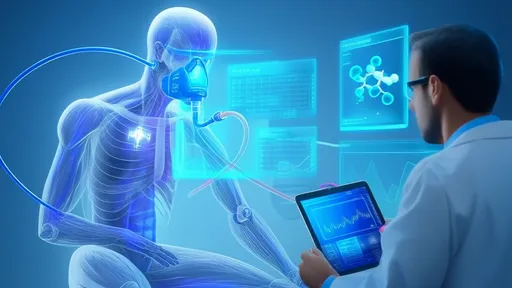
As research continues, the future of oxygen therapy appears increasingly sophisticated and personalized. Smart oxygen delivery systems now in development can automatically adjust flow rates based on real-time monitoring of blood oxygen levels, activity, and even sleep stages. These closed-loop systems promise to optimize therapy while conserving oxygen resources.
Gene therapy research offers another fascinating direction. Scientists are investigating ways to enhance the body's natural oxygen utilization, potentially reducing or eliminating the need for supplemental oxygen in some conditions. Meanwhile, artificial blood substitutes capable of carrying oxygen represent another frontier, though development challenges remain significant.
Perhaps most intriguing are the psychological dimensions of oxygen therapy now being explored. The simple act of receiving oxygen often produces measurable placebo effects, with patients reporting reduced breathlessness even before physiological changes occur. This mind-body connection suggests that the therapy's benefits extend beyond pure biochemistry to encompass our deep psychological relationship with breathing itself.
The Wisdom in Every Breath
Oxygen therapy represents one of medicine's most elegant interventions—supporting the body's most essential process without introducing foreign chemicals or complex mechanisms. Its development reflects our growing understanding of human physiology and our ability to work with the body's natural systems rather than against them.
Yet for all our technological advances, the fundamental wisdom remains the same: breath is life. Whether drawn naturally from the atmosphere or delivered through sophisticated medical equipment, oxygen sustains our existence at the most basic level. The science of oxygen therapy continues to evolve, but its core principle remains honoring the profound intelligence of the respiratory system—a system that has kept humanity breathing for millennia.
As research advances, we continue to uncover new dimensions of oxygen's role in health and healing. What began as simple observation of mountain air's benefits has transformed into a sophisticated medical science, yet the mystery and majesty of each breath remains. In supporting this most fundamental life process, oxygen therapy represents both ancient wisdom and cutting-edge science, breathing new life into medical practice and patient care.

By /Oct 14, 2025

By /Oct 14, 2025

By Daniel Scott/Oct 14, 2025

By /Oct 14, 2025

By Benjamin Evans/Oct 14, 2025

By Ryan Martin/Oct 14, 2025
By John Smith/Oct 14, 2025

By /Oct 14, 2025

By /Oct 14, 2025

By /Oct 14, 2025

By Thomas Roberts/Oct 14, 2025

By /Oct 14, 2025

By Amanda Phillips/Oct 14, 2025

By /Oct 14, 2025

By Megan Clark/Oct 14, 2025

By Thomas Roberts/Oct 14, 2025

By /Oct 14, 2025
By /Oct 14, 2025
By /Oct 14, 2025

By /Oct 14, 2025
