Affordable Alternative to Fish Sauce: Simmered Shrimp Skins and Soy Sauce for a Similar Umami Flavor

Aug 20, 2025 By

In the intricate world of culinary arts, few ingredients carry the profound, umami-rich complexity of fish sauce. A staple across Southeast Asian cuisines, from the vibrant streets of Bangkok to the bustling kitchens of Hanoi, this fermented liquid provides a foundational savoriness that is notoriously difficult to replicate. Its unique profile is a product of patience, time, and a specific biological process. However, for a growing number of home cooks and professional chefs, its distinct aroma and the ethical or dietary concerns surrounding its production—often involving anchovies—present a significant hurdle. The quest for an accessible, high-quality alternative is not just a matter of convenience but a culinary puzzle waiting to be solved.

The challenge lies in deconstructing what makes fish sauce so special. It is not merely saltiness; it is a symphony of flavors. The primary note is a deep, savory umami, followed by a complex brininess, and a subtle underlying sweetness that rounds out the experience. Merely increasing the salt content in a dish misses the mark entirely. Many have tried substitutes like soy sauce or tamari, but these offer a different kind of saltiness, often more one-dimensional and lacking the marine depth. Liquid aminos fall into a similar category. These options can alter the color and overall balance of a dish in ways that deviate from the authentic profile chefs strive to achieve. The need is for a substitute that honors the original's spirit without compromise.

Enter a surprisingly effective and resourceful solution born from pantry staples: a reduction of dried shrimp and light soy sauce. This combination might seem simplistic at first glance, but its effectiveness is rooted in a deep understanding of flavor chemistry. Dried shrimp, or shrimp powder, is a powerhouse of glutamates and nucleotides—the very compounds responsible for the umami taste. They provide that crucial oceanic, funky depth that is the heart of fish sauce. Light soy sauce, specifically, contributes the necessary salinity and a touch of fermentation-derived complexity, but its lighter color and less overpowering nature compared to dark soy sauce prevent it from dominating the mixture and muddying the final dish's appearance.

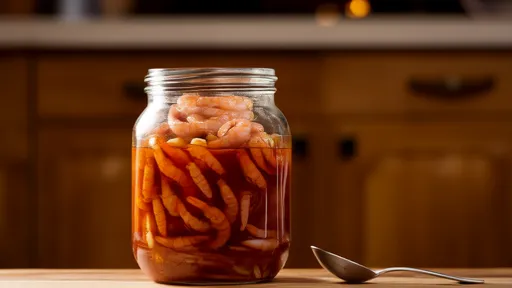
The transformation from separate ingredients into a unified sauce is where the magic happens. The process is straightforward yet requires attention. Begin by combining a generous portion of high-quality dried shrimp with light soy sauce in a saucepan. The ratio is flexible but often starts around one part shrimp to two parts soy sauce. Gently heating this mixture is crucial; a rolling boil is the enemy here. The goal is a slow, steady simmer that allows the shrimp to slowly rehydrate and relent its intensely savory essence into the liquid. This low-and-slow approach coaxed the flavors out rather than scorching them. As it simmers, the kitchen fills with a profoundly savory, maritime aroma that signals the creation of something special. After fifteen to twenty minutes, the liquid will have reduced slightly, becoming more concentrated. The final step is to strain out the solid shrimp, leaving behind a beautifully amber, fragrant liquid that is ready to use.

How does this homemade elixir perform in the harsh light of the kitchen? The results are remarkably close. In blind taste tests, many find it difficult to distinguish the reduction from a mid-tier fish sauce in finished dishes. Its application is wonderfully broad. It seamlessly integrates into Vietnamese nuoc cham dipping sauce, providing the required punch without the overwhelming fishiness that can sometimes offend sensitive palates. It works wonders in Thai curries and stir-fries, blending into the background while elevating the other ingredients. It can even be used as a secret weapon in marinades for grilled meats or to add a layer of savoriness to salad dressings where traditional fish sauce might be too potent. Its slightly less aggressive aroma makes it an excellent "gateway" ingredient for those new to Southeast Asian flavors.

Beyond its impressive mimicry, this alternative boasts several compelling advantages. For individuals with seafood allergies (specifically to fish), this shrimp-based sauce can sometimes be a viable option, though caution is always advised and it is not suitable for a shellfish allergy. It addresses ethical concerns for those who avoid fish sauce due to unsustainable fishing practices often associated with anchovy harvesting. From a practical standpoint, dried shrimp and soy sauce have a dramatically longer shelf life than an opened bottle of fish sauce, making them a perfect standby for infrequent users. Furthermore, it allows for complete control over the sodium levels and flavor intensity, empowering the cook to create a bespoke condiment tailored to their specific dish and dietary needs.

Of course, it is not a perfect one-to-one replacement in every scenario. Purists will rightly argue that the finest artisanal fish sauces, aged for years in wooden barrels, possess a nuance and depth that cannot be entirely replicated by a quick stovetop reduction. The funky, fermented backbone of real fish sauce is unique. This alternative shines brightest as a substitute for the everyday fish sauce used in cooking, rather than as a finishing sauce where the raw, complex aroma of a premium product is meant to be front and center. It is a brilliant solution for the home cook, not necessarily intended to dethrone the artisanal original but to provide a powerful, accessible, and respectful homage to it.

The discovery and refinement of such substitutes represent the very essence of creative cooking. It demonstrates that limitations, whether dietary, ethical, or simply a missing ingredient, are not roadblocks but invitations to innovate. The dried shrimp and soy sauce reduction is more than just a cheat code; it is a testament to a cook's understanding of flavor building blocks. It proves that with a little knowledge and experimentation, the soul of a beloved ingredient can be captured and welcomed into kitchens everywhere, ensuring that everyone can experience the profound joy of authentic, umami-rich cuisine.
Recommend Posts
Food

Refrigerator Storage Rule: Layer Raw and Cooked Foods to Prevent Cross-Contamination

By /Aug 20, 2025

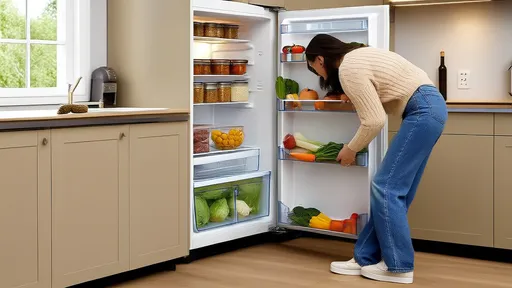
In the quiet hum of every kitchen, the refrigerator stands as a silent guardian of our health and well-being. Yet, within its cool confines lies a potential battleground where invisible threats can compromise the very nourishment it is meant to preserve. The simple act of storing food is far more than a matter of convenience; it is a critical practice in food safety. Among the most vital principles to master is the strategic separation of raw and cooked foods. This isn't merely an organizational tip from a lifestyle magazine; it is a fundamental rule backed by microbiology and public health science, designed to create a formidable barrier against the unseen danger of cross-contamination.
Food

Affordable Alternative to Fish Sauce: Simmered Shrimp Skins and Soy Sauce for a Similar Umami Flavor

By /Aug 20, 2025

In the intricate world of culinary arts, few ingredients carry the profound, umami-rich complexity of fish sauce. A staple across Southeast Asian cuisines, from the vibrant streets of Bangkok to the bustling kitchens of Hanoi, this fermented liquid provides a foundational savoriness that is notoriously difficult to replicate. Its unique profile is a product of patience, time, and a specific biological process. However, for a growing number of home cooks and professional chefs, its distinct aroma and the ethical or dietary concerns surrounding its production—often involving anchovies—present a significant hurdle. The quest for an accessible, high-quality alternative is not just a matter of convenience but a culinary puzzle waiting to be solved.
Food

Standard Length of Chopsticks: 7.6 Inches, Symbolizing the Seven Emotions and Six Desires

By /Aug 20, 2025

The standard length of chopsticks, precisely seven cun and six fen, is far more than a mere measurement—it is a profound cultural statement. This dimension, roughly equivalent to 25.3 centimeters or about 10 inches, has been preserved across dynasties and borders, echoing a philosophy that extends beyond dining etiquette. While modern variations exist for specific purposes like cooking or serving, the traditional eating chopstick steadfastly adheres to this length, embedding a silent narrative of human nature into every meal shared.
Food

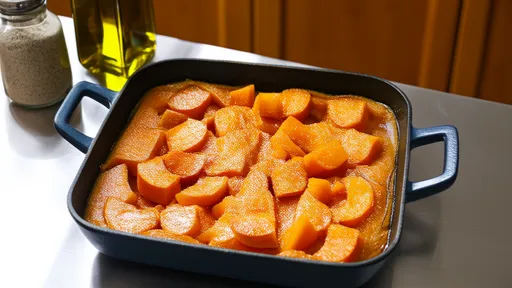
Utilizing Oven Residual Heat: Baking Sweet Potatoes After Shutting Down to Save 30% Electricity

By /Aug 20, 2025

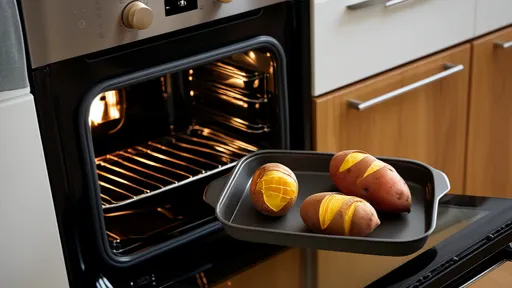
In an era where energy conservation and sustainable living are at the forefront of global conversations, innovative yet simple practices are gaining traction. One such method, leveraging residual oven heat to cook sweet potatoes after turning off the appliance, has emerged as a surprisingly effective way to cut electricity usage by up to 30%. This technique not only aligns with eco-friendly goals but also offers practical benefits for households looking to reduce their energy bills without sacrificing culinary enjoyment.
Food

Safety Period for Leftover Dishes: Meat Dishes Can Be Stored for 3 Days in the Refrigerator, Leafy Greens Should Be Consumed in the Same Meal

By /Aug 20, 2025

As the evening meal concludes and leftovers are packed away, a familiar question lingers in kitchens worldwide: how long can these refrigerated dishes truly last before crossing from economical to hazardous? The answer, it turns out, depends profoundly on what’s on the plate. A stark divide exists between the staying power of cooked meats and that of delicate leafy greens, a distinction rooted in basic food science and microbiology.
Food

The True Boiling Point of Soy Milk: After Foam, Simmer for 8 More Minutes to Ensure It's Cooked

By /Aug 20, 2025

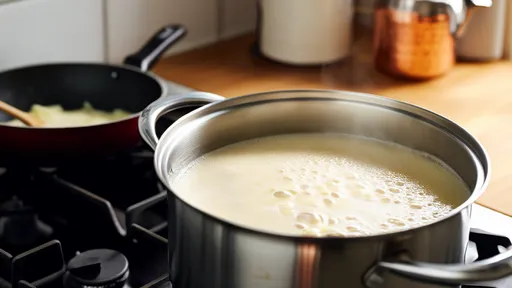
In kitchens across the globe, soy milk has cemented its place as a staple for health-conscious individuals and those with dietary restrictions. Its creamy texture and nutritional profile make it a favored alternative to dairy. However, a lesser-known aspect of preparing soy milk, especially when made from scratch, involves a critical and often misunderstood step: achieving a true, safe boil. Many assume that once bubbles appear and the liquid froths, the job is done. This misconception isn't just a minor oversight; it can have direct implications for both the flavor and the safety of the final product.
Food

Steam Fish in Microwave: Cover with Damp Kitchen Paper to Lock in Moisture and Keep Tender

By /Aug 20, 2025

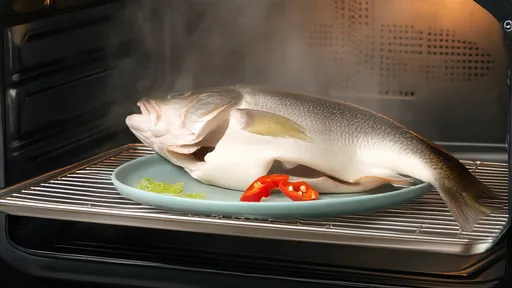
Steaming fish in the microwave might sound unconventional to some, but it is a method that has quietly gained traction among home cooks and professional chefs alike for its efficiency and remarkable results. The technique, which involves covering the fish with a damp kitchen paper, not only simplifies the cooking process but also ensures the fish remains exceptionally moist and tender. This approach challenges traditional stovetop steaming, offering a modern twist that aligns with today’s fast-paced lifestyles without compromising on quality or flavor.
Food

Power Outage Noodle Cooking: Warm Bottle Steamed Instant Noodles, Surprisingly Good Taste

By /Aug 20, 2025

In the quiet hum of a power outage, when the world retreats into darkness and the familiar comforts of modern appliances fall silent, an unexpected culinary hero often emerges: the humble thermos. What began as a desperate measure for a hot meal has, for many, evolved into a surprisingly effective cooking method—specifically for preparing instant noodles. Dubbed the "Thermos Noodle Method" or "power outage ramen hack," this technique has garnered a cult following, not just as an emergency workaround but as a legitimate way to achieve a uniquely satisfying bowl of noodles.
Food

Cracked Tea Egg Art: Depth of Cracks Affects Flavor Penetration

By /Aug 20, 2025

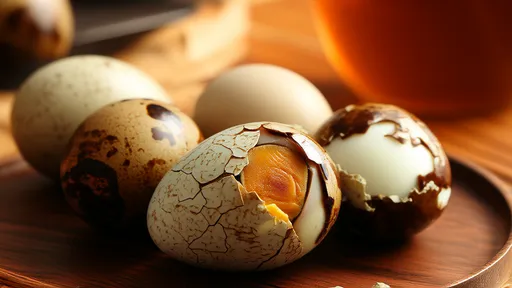
In the quiet predawn hours of a traditional Chinese kitchen, a subtle alchemy unfolds. A pot of ordinary hard-boiled eggs, their shells a pristine white, meets a simmering bath of dark, fragrant tea. But the transformation begins not with immersion, but with a series of delicate, percussive taps. Using the back of a spoon or the handle of a knife, the cook gently cracks each shell, creating a delicate, web-like network of fractures. This is the first and most critical step in creating Cha Ye Dan, or Tea Leaf Eggs, a beloved snack found across East Asia. The artistry of these cracks, however, is far more than mere decoration; it is the very gateway to flavor, a culinary technique where physics and taste converge.
Food

Steamed Fish Time Formula: 5 Minutes for Every 1 Centimeter Thickness Rule

By /Aug 20, 2025

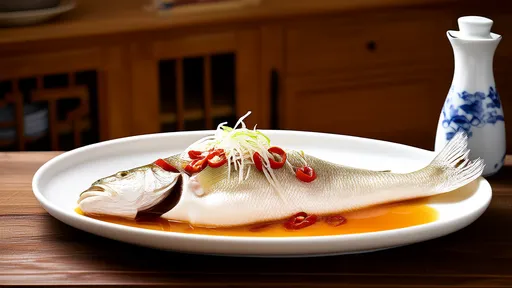
In kitchens across continents, the art of steaming fish remains one of the most revered yet intimidating culinary techniques. Home cooks and professional chefs alike have long sought a reliable, scientific approach to achieve that elusive perfection—flaky, moist flesh that separates cleanly from the bone, infused with delicate aromatics without being overcooked into a dry, rubbery disappointment. For years, this mastery seemed reserved for those with decades of experience, an intuitive sense of timing, and perhaps a bit of luck. That is, until a remarkably simple yet transformative guideline emerged from culinary science: the one-centimeter, five-minute rule. This principle has demystified the process, turning guesswork into precision and anxiety into confidence.
Food

Fry Temperature Test: Insert Wooden Chopsticks into Oil Pot to Bubble Slightly

By /Aug 20, 2025

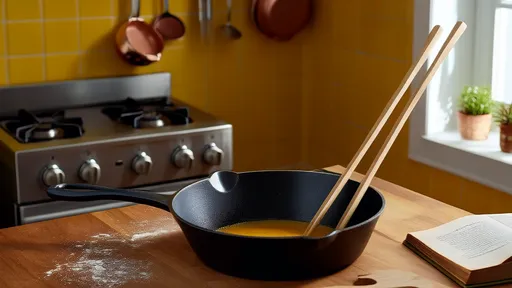
In the quiet hum of a kitchen, a cook stands over a pot of shimmering oil, a single wooden chopstick poised in hand. This simple tool, often overlooked, holds the key to one of cooking's most crucial variables: oil temperature. For generations, chefs and home cooks alike have relied on this unassuming test—observing the behavior of tiny bubbles when a wooden implement meets hot oil—to gauge the readiness of their frying medium. It is a technique born not from laboratory precision, but from accumulated culinary wisdom, a tactile and visual art passed down through kitchens worldwide.
Food

Air Fryer Roasted Pumpkin: Brush with Oil on the Surface for Preventing Dryness and Enhancing Sweetness

By /Aug 20, 2025

As autumn paints the landscape with its golden hues, kitchens worldwide begin to brim with the season’s most iconic produce. Among them, the humble pumpkin takes center stage, not just as a jack-o'-lantern canvas but as a versatile culinary star. While roasting pumpkin in a conventional oven is a time-honored tradition, a modern kitchen marvel—the air fryer—has revolutionized the process, promising crispness, convenience, and concentrated flavor. However, a crucial tip separates a dry, lackluster result from a caramelized, sweet masterpiece: a simple brush of oil before air frying. This technique is the secret to achieving a perfect texture and unlocking the vegetable’s inherent sweetness, transforming your cooked pumpkin from a mere side dish into the highlight of the meal.
Food

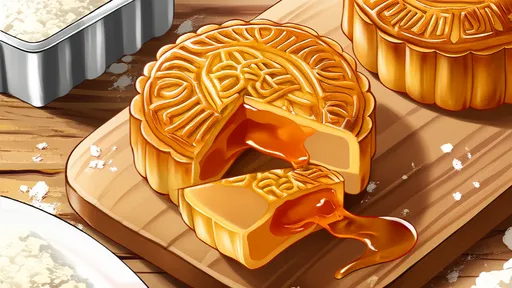
Mooncake Oiling Process: Syrup Conversion Takes 7 Days for Best Taste

By /Aug 20, 2025

The art of mooncake making reaches its zenith not in the baking, but in the quiet, patient week that follows. This crucial period, known as the oil-returning process, is where the alchemy of texture and flavor truly occurs. While the golden-brown pastries emerge from the oven looking complete, they are, in fact, only halfway to their destined glory. The true magic unfolds away from the heat, in the cool, dark confines of storage, where sugar, oil, and time conspire to create a sublime confectionery experience.
Food

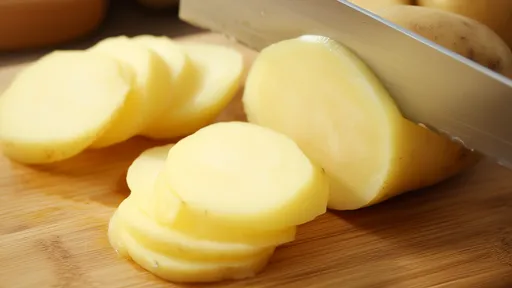
Wolf Tooth Potato Cutting Method: Wave Blade at 1cm Thickness for Even Flavor Penetration

By /Aug 20, 2025

In the bustling night markets of Chengdu, amid the sizzle of woks and the aromatic clouds of Sichuan peppercorns, one snack consistently draws crowds with its whimsical shape and addictive flavor: Lang Ya Tu Dou, or "Wolf Tooth Potatoes." The name itself evokes imagery of sharp, jagged edges, but the reality is far more delightful—a playful spiral of potato, crispy on the outside and tender within, bathed in a symphony of spices. While the seasoning is undoubtedly key, seasoned chefs and street food veterans alike will attest that the true soul of this dish lies not in the mix of chili powder, cumin, or garlic, but in the precision of its cut. Specifically, the use of a crinkle-cut or wave-edged knife to slice the potatoes into consistent 1cm-thick pieces is what transforms a simple root vegetable into a culinary phenomenon.
Food

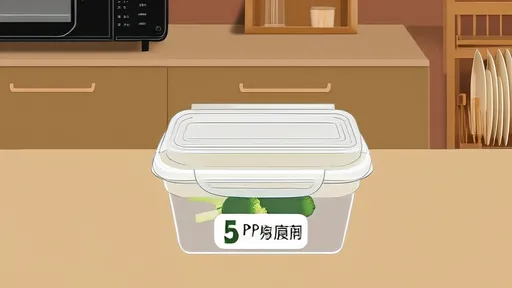
Plastic Box Usage Guidelines: Identify 5# PP for Microwave Heating"

By /Aug 20, 2025

In the bustling aisles of modern supermarkets and the organized chaos of our own kitchens, a quiet revolution has taken place. The humble plastic food container, once a simple vessel for leftovers, has evolved into a sophisticated tool for convenience. Yet, this convenience is often shrouded in a fog of confusion and misinformation. A quick glance at the bottom of any container reveals a cryptic numerical code, a hieroglyphic to the uninitiated, holding the key to its safe usage. Among these symbols, one stands out as a beacon of safety for the microwave era: the number 5, encircled by chasing arrows, signifying the material known as polypropylene, or PP.
Food

Sprouting Food Identification: Edible Taro After Removing Sprouts, While Potatoes Are Not

By /Aug 20, 2025

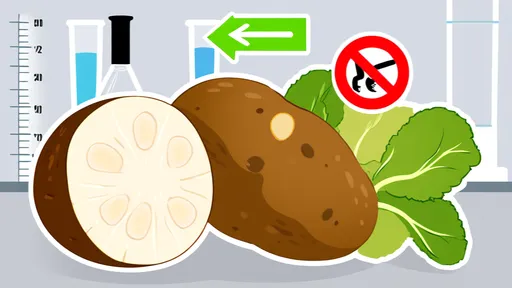
In the world of root vegetables, few topics spark as much confusion and concern as sprouting. Walk into any kitchen, and you’ll likely find a forgotten potato or taro root in the back of a pantry, sporting pale, tentative shoots reaching for the light. The immediate instinct for many is to question its safety, to wonder if this natural process of regeneration has rendered the food inedible or, worse, poisonous. The answer, as it turns out, is not a simple yes or no. It depends entirely on the vegetable in question, and the biochemical changes that occur within it. The common rule of thumb—that sprouted taro remains edible after trimming while sprouted potatoes are a hard avoid—is rooted in a fascinating and critical scientific distinction. It’s a lesson in plant biology, toxicology, and culinary wisdom that every home cook should understand.
Food

Perfect Timing for Egg Burger Batter: Mastering the Pouring Moment for Flawless Formation

By /Aug 20, 2025

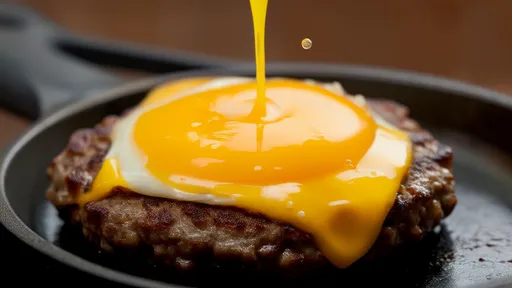
In the bustling world of street food and quick bites, few items capture the imagination and appetite quite like the egg burger. A harmonious blend of fluffy batter, savory fillings, and that quintessential egg center, it’s a treat that seems simple on the surface but demands precision in execution. Among the many factors that dictate its success, one stands out as particularly crucial: the timing of pouring the batter into the mold. This moment, often overlooked by amateur cooks, is where the battle for the perfect egg burger is won or lost.
Food

Homemade Kanto-zuke Broth: Apple and Kelp for a Naturally Sweet Flavor

By /Aug 20, 2025

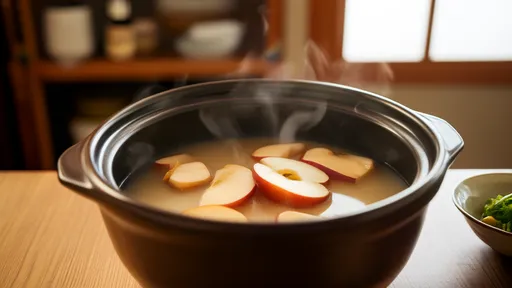
There is a quiet revolution simmering in kitchens across the globe, a subtle shift away from the complex and the processed toward the simple and the profound. It is found in the gentle steam rising from a humble pot of oden, a traditional Japanese one-pot dish, where the soul of the meal—the dashi broth—is undergoing a beautiful transformation. For generations, the foundation of a great dashi has been a classic duet: katsuobushi (dried bonito flakes) and kombu (dried kelp). This pairing creates a deeply savory, umami-rich base that is the undisputed heart of much of Japanese cuisine. Yet, a new, intriguing variation is capturing the imagination of home cooks and chefs alike, one that promises a different kind of depth, a luminous and natural sweetness that feels both innovative and deeply comforting. This variation introduces an unexpected, yet utterly logical, third player to the ensemble: the humble apple.
Food

Microwave Steamed Egg Bowl: Quick and Nutritious

By /Aug 20, 2025

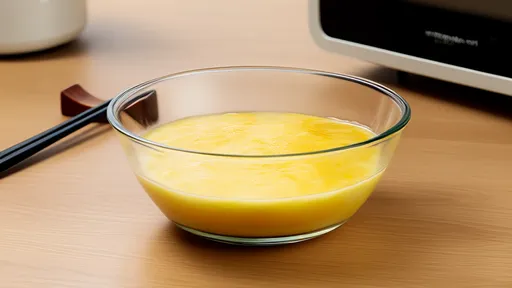
In the quiet hum of a weekday morning, as the sun barely crests the horizon and the world outside still slumbers in half-light, there exists a universal kitchen dilemma. The fridge door swings open to reveal sparse offerings—a carton of milk, a lonely lemon, and a cluster of eggs resting in their cardboard cradle. It’s a scene replayed in households everywhere: the need for something warm, something nourishing, something fast. Enter the humble egg, nature’s most versatile protein packet, and the microwave—a tool often relegated to reheating leftovers but hiding untapped culinary potential right under our noses.
Food

Vegetable Blanching Secret: Add 1 Spoon of Oil to Boiling Water for Brighter Color

By /Aug 20, 2025

In the quiet hum of a home kitchen, steam rises from a pot of vigorously boiling water as a cook prepares to transform a batch of fresh, vibrant green vegetables. The goal is simple yet elusive: to achieve that perfect, restaurant-quality brightness and crisp-tender texture that makes vegetables not just a side dish, but the star of the plate. For generations, home cooks and professional chefs alike have whispered about a simple, almost magical trick—a single tablespoon of oil added to the boiling water. This is not merely a folktale; it is a foundational technique rooted in the science of food, a small step with a profound visual and textural impact.