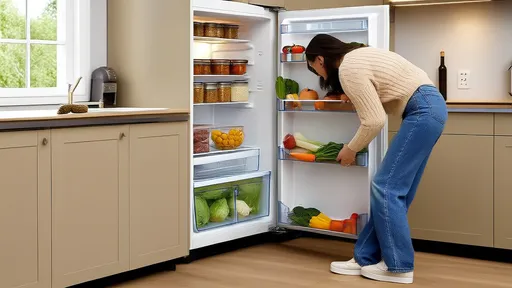
In the quiet hum of a weekday morning, as the sun barely crests the horizon and the world outside still slumbers in half-light, there exists a universal kitchen dilemma. The fridge door swings open to reveal sparse offerings—a carton of milk, a lonely lemon, and a cluster of eggs resting in their cardboard cradle. It’s a scene replayed in households everywhere: the need for something warm, something nourishing, something fast. Enter the humble egg, nature’s most versatile protein packet, and the microwave—a tool often relegated to reheating leftovers but hiding untapped culinary potential right under our noses.
For years, the microwave has been both a savior and a subject of snobbery. We use it to melt butter, warm coffee, and zap frozen dinners, yet rarely do we consider it for actual cooking—the kind that involves transformation, texture, and technique. But what if this speedy appliance could become your breakfast ally? What if, in under five minutes, you could cradle a bowl of silky, steamed egg custard, delicate and deeply satisfying, without ever turning on the stove?
This isn’t just about saving time. It’s about reclaiming a moment of calm in the chaos of modern life. It’s about crafting something wholesome when energy is low but the body demands goodness. The magic lies in the method: steaming eggs in a bowl using microwave power. It sounds almost too simple to be remarkable, and yet, the results can feel nothing short of alchemy.
Let’s begin with the foundation: the egg itself. Each one is a tiny universe of nutrition, packed with high-quality protein, essential amino acids, vitamins like B12 and D, and minerals such as selenium. For anyone mindful of their diet—be it a fitness enthusiast, a busy parent, or someone simply seeking to eat well—eggs are a powerhouse. But boiling, frying, or scrambling them often requires attention, timing, and cleanup. The microwave method sidesteps these hurdles elegantly.
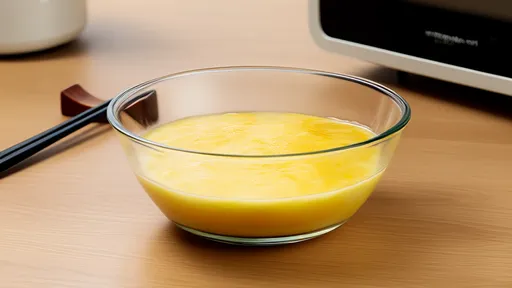
The process starts with choosing the right vessel. A deep, microwave-safe bowl is ideal—ceramic or glass works beautifully. Avoid anything metallic or with metallic accents, for obvious reasons. Crack one or two eggs into the bowl, and here’s where personalization begins. Some prefer their steamed eggs pure, seasoned only with a pinch of salt and a crack of pepper. Others might whisk in a tablespoon of water, broth, or milk to achieve a lighter, more tender texture. The liquid introduces steam during cooking, which is key to preventing rubberiness.
Once whisked until just combined—overmixing can incorporate too much air—the bowl is covered. This is critical. Use a microwave-safe plate or a silicone lid to trap steam, which cooks the eggs gently and evenly. Without cover, you risk explosive results and a messy cleanup. Nobody wants to scrape egg off the microwave walls at 7 a.m.
Timing varies by wattage. A standard 1000-watt microwave might need just 60 to 90 seconds for one egg, while two could require up to two minutes. The trick is to start low and check often. The eggs should look set around the edges but still slightly jiggly in the center when you remove them. Residual heat will continue to cook them to perfection as they rest for a minute. Overcooking leads to a tough, porous texture—the antithesis of the delicate custard we’re aiming for.
Now, consider the possibilities. This basic template is a blank canvas. For a savory twist, add grated cheese, finely chopped herbs like chives or parsley, or a dash of soy sauce and sesame oil for an Asian-inspired flavor. Spinach, diced tomatoes, or mushrooms can be mixed in for added vitamins and fiber. For those who enjoy a bit of heat, a sprinkle of red pepper flakes or a drizzle of chili oil can awaken the senses.
But it doesn’t stop at savory. A touch of honey, vanilla extract, or cinnamon can transform the same base into a subtly sweet treat—a kind of quick custard that feels indulgent yet remains guilt-free. Top with fresh berries or a spoonful of yogurt, and you have a dessert-like breakfast that comforts without weighing you down.
Beyond the sheer speed, this method champions nutrition. Unlike frying, which often requires oil or butter, steaming in the microwave uses no added fats. The eggs cook in their own moisture, preserving their natural goodness without extra calories. For those tracking intake, it’s a transparent and controlled way to enjoy a protein-rich meal. Plus, the gentle cooking process helps retain heat-sensitive nutrients better than prolonged high-heat methods.
There’s also an element of mindfulness in this simplicity. In a world where breakfast often means gulping down a bar or skipping the meal altogether, taking five minutes to prepare something warm and fresh is a small act of self-care. The ritual of whisking, covering, and waiting—brief as it is—creates a pause. It’s a chance to breathe before the day’s demands take over.
Parents might find this especially valuable. Kids are notoriously picky, but the soft texture of steamed eggs is often appealing to young palates. It’s easy to customize each bowl to individual tastes, making mornings smoother. Similarly, for students or singles cooking in limited spaces like dorm rooms or studio apartments, the microwave offers a way to eat well without a full kitchen.
Even for experienced cooks, this technique holds appeal. On days when energy is low or time is tight, it’s a reliable fallback. It’s also a great way to use up leftover ingredients—those few tablespoons of roasted vegetables, that last bit of cheese, the handful of herbs wilting in the fridge. Nothing goes to waste, and everything adds flavor.
Of course, like any method, it requires a bit of practice. Microwaves vary, and egg sizes differ. The first attempt might be slightly under or over, but it’s a forgiving process. Adjust the time, note what works, and soon it’ll become second nature. Some enthusiasts even experiment with layering—creating a base of vegetables, pouring the eggs over, and microwaving for a quick, complete meal.
In the broader context, this approach challenges our perceptions of convenience food. Quick doesn’t have to mean processed; easy doesn’t have to be devoid of nutrition. The microwave, often associated with unhealthy shortcuts, can actually be a tool for real, whole-food cooking. It’s about intention and technique over time and tradition.
As we navigate busy lives, solutions like these become essential. They bridge the gap between aspiration and reality—between wanting to eat well and actually doing so with the resources and time we have. The bowl of steamed eggs symbolizes more than a meal; it’s a testament to adaptability, to making the most of what we have, both in the kitchen and beyond.
So the next time you open the fridge to those few remaining eggs, remember the potential. In minutes, you can transform them into something warm, nourishing, and deeply satisfying. No fancy equipment, no complex skills—just a bowl, a microwave, and a willingness to try something simple yet profound. It’s a small revolution, quietly steaming in kitchens everywhere, one egg at a time.
By /Aug 20, 2025

By /Aug 20, 2025

By /Aug 20, 2025
By /Aug 20, 2025
By /Aug 20, 2025
By /Aug 20, 2025

By /Aug 20, 2025

By /Aug 20, 2025

By /Aug 20, 2025

By /Aug 20, 2025

By /Aug 20, 2025
By /Aug 20, 2025

By /Aug 20, 2025
By /Aug 20, 2025
By /Aug 20, 2025
By /Aug 20, 2025

By /Aug 20, 2025

By /Aug 20, 2025
By /Aug 20, 2025
By /Aug 20, 2025
