As autumn paints the landscape with its golden hues, kitchens worldwide begin to brim with the season’s most iconic produce. Among them, the humble pumpkin takes center stage, not just as a jack-o'-lantern canvas but as a versatile culinary star. While roasting pumpkin in a conventional oven is a time-honored tradition, a modern kitchen marvel—the air fryer—has revolutionized the process, promising crispness, convenience, and concentrated flavor. However, a crucial tip separates a dry, lackluster result from a caramelized, sweet masterpiece: a simple brush of oil before air frying. This technique is the secret to achieving a perfect texture and unlocking the vegetable’s inherent sweetness, transforming your cooked pumpkin from a mere side dish into the highlight of the meal.
The science behind this culinary magic is fascinating. Air fryers work by circulating intensely hot air around the food at a high velocity. This mechanism mimics the effect of deep-frying, creating a beautifully browned and crispy exterior through the Maillard reaction—a complex chemical process between amino acids and reducing sugars that gives browned food its distinctive flavor. However, this same process can be a double-edged sword for moisture-rich vegetables like pumpkin. The powerful, dry heat can rapidly evaporate the surface moisture, leading to a tough, leathery, or undesirably dry texture rather than the desired crispness. The pumpkin’s natural sugars can also scorch before they have a chance to properly caramelize, resulting in a bitter note.
This is where the hero of our story, a thin layer of oil, makes its grand entrance. Oil is not merely a cooking fat; it acts as a sophisticated thermal conductor. It transfers heat from the air to the surface of the pumpkin more evenly and efficiently than air alone. This promotes uniform browning and crisping without the aggressive dehydration that leads to toughness. More importantly, oil serves as a protective barrier. It slows down the rate at which moisture escapes from the pumpkin’s flesh, ensuring the interior steams gently and becomes meltingly tender while the exterior turns golden and crisp. It’s this harmonious contrast of textures—a crispy shell giving way to a soft, creamy interior—that defines perfection.
Furthermore, fat is a flavor catalyst. Many of the aromatic compounds that give pumpkin its earthy, sweet character are fat-soluble. Coating the pieces in oil allows these compounds to bloom and develop fully during the cooking process, resulting in a much richer and more pronounced flavor profile. The oil itself, especially when using a high-quality option like avocado, coconut, or even a robust extra virgin olive oil, can contribute its own subtle notes, complementing and enhancing the pumpkin rather than masking it. This step is the critical difference between a vegetable that simply tastes cooked and one that tastes profoundly delicious.
Choosing the right oil is the first step toward culinary success. The ideal candidate has a high smoke point to withstand the air fryer’s high temperatures (typically 350°F to 400°F or 175°C to 200°C) without breaking down and producing acrid smoke. Avocado oil is a superstar in this category, with a very high smoke point and a neutral flavor that lets the pumpkin shine. Grapeseed oil and refined coconut oil are also excellent neutral choices. For those who enjoy a fruitier, more robust flavor, extra virgin olive oil can be used, though it’s best to keep the temperature at the lower end of the spectrum to preserve its integrity. Melted butter or ghee introduces a wonderful, rich flavor but should be watched closely as its milk solids can brown quickly.
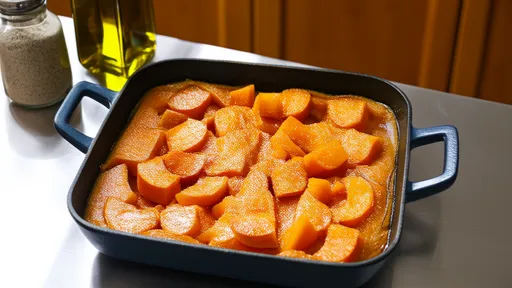
Preparation is key. Start with a sugar pumpkin, pie pumpkin, or kabocha squash—varieties known for their dense, sweet flesh, not the large, stringy kind used for carving. Carefully peel the pumpkin, remove the seeds and stringy pulp, and cut it into uniform, one-inch cubes or half-moon slices. Consistency in size is non-negotiable; it ensures every piece cooks at the same rate. Place the cut pumpkin in a large bowl and drizzle with your chosen oil. You don’t need a lot—just enough to lightly coat each piece. A tablespoon or two is usually sufficient for a small pumpkin. Use your hands or a spatula to toss and massage the oil onto every surface, guaranteeing complete coverage. This hands-on approach is far more effective than simply drizzling oil in the air fryer basket.
Now, for the seasoning. While the pumpkin’s natural sweetness is the goal, a sprinkle of salt is essential to balance and elevate it. From there, the spice palette is yours to explore. A classic dusting of cinnamon and a pinch of nutmeg whispers of classic pumpkin pie. For a savory twist, smoked paprika, garlic powder, and a crack of black pepper create a deeply savory profile. A touch of cumin and chili powder can lend a warm, earthy kick. Don’t be afraid to experiment with brown sugar or a drizzle of maple syrup for a candied effect, though remember that sugars can caramelize very quickly and even burn, so keep a watchful eye.
Cooking times will vary slightly depending on your specific air fryer model and the size of your pumpkin chunks. A good starting point is 380°F (193°C) for 12 to 15 minutes. It is absolutely crucial to pause halfway through the cooking time and shake the basket vigorously. This prevents pieces from sticking together and ensures all sides are exposed to the hot air for even cooking and browning. No single piece should be left hiding in a corner. After shaking, continue to cook until the edges are deeply caramelized and crispy, and a fork can easily pierce the center. The final result should be a mix of tender, soft interior and a beautifully bronzed, slightly crisp exterior.
The applications for this perfectly air-fried pumpkin are nearly endless. It is a magnificent side dish all on its own, a far cry from bland, steamed vegetables. Toss them into vibrant autumn salads with peppery arugula, tangy goat cheese, and a sharp vinaigrette. They can be blended into velvety soups, adding a layer of roasted depth that boiled pumpkin simply cannot provide. Mash them for a sophisticated alternative to mashed potatoes, or use them as a sweet and savory topping for grain bowls, risottos, or even pizza. They can even be pureed and used as the base for actual pies, cakes, and breads, imparting a far superior flavor to any canned alternative.
In the end, that initial, seemingly minor step of brushing with oil is what unlocks the air fryer’s full potential for pumpkin. It transcends the basic function of preventing dryness. It is the catalyst for the Maillard reaction, the guardian of internal moisture, the conductor of even heat, and the vehicle for deep, developed flavor. It is the difference between a good result and an exceptional one. So the next time you drop those orange cubes into the air fryer basket, remember that this small act of care is the secret to transforming a seasonal gourd into a truly unforgettable culinary experience.
By /Aug 20, 2025
By /Aug 20, 2025

By /Aug 20, 2025
By /Aug 20, 2025
By /Aug 20, 2025
By /Aug 20, 2025
By /Aug 20, 2025

By /Aug 20, 2025
By /Aug 20, 2025
By /Aug 20, 2025

By /Aug 20, 2025
By /Aug 20, 2025

By /Aug 20, 2025
By /Aug 20, 2025
By /Aug 20, 2025
By /Aug 20, 2025
By /Aug 20, 2025
By /Aug 20, 2025
By /Aug 20, 2025
By /Aug 20, 2025
