In the quiet hum of a home kitchen, steam rises from a pot of vigorously boiling water as a cook prepares to transform a batch of fresh, vibrant green vegetables. The goal is simple yet elusive: to achieve that perfect, restaurant-quality brightness and crisp-tender texture that makes vegetables not just a side dish, but the star of the plate. For generations, home cooks and professional chefs alike have whispered about a simple, almost magical trick—a single tablespoon of oil added to the boiling water. This is not merely a folktale; it is a foundational technique rooted in the science of food, a small step with a profound visual and textural impact.
The process of blanching, or briefly cooking vegetables in boiling water, is a culinary workhorse. It sets the color of green vegetables, loosens the skins of tomatoes and peaches for easy peeling, and deactivates enzymes that can cause vegetables to lose flavor, color, and texture during freezing. However, the journey from the garden to the pot is fraught with potential for dullness. Vegetables, particularly green ones like broccoli, green beans, asparagus, and spinach, are packed with chlorophyll, the pigment responsible for their brilliant green hue. When heat is applied, the cells of the vegetable begin to break down, and the acids naturally present within are released. These acids attack the magnesium atom at the center of the chlorophyll molecule, turning it a dull, unappetizing olive drab. This is the enemy of a beautiful plate of food.
This is where our secret weapon enters the fray. Adding a tablespoon of a neutral oil, such as vegetable, canola, or grapeseed oil, to the rolling boil before the vegetables are submerged seems almost too simple to be effective. The logic appears counterintuitive; we often assosciate oil with frying or dressing, not boiling. Yet, this single action performs two critical functions simultaneously. The first and most important role is that of a protective barrier. As the vegetables hit the water, the oil lightly coats their surface. This microscopic layer acts as a shield, hindering the escape of the volatile organic compounds and acids that, when free in the water, would rapidly degrade the chlorophyll. It’s like putting a thin, invisible raincoat on each floret of broccoli or each spear of asparagus.
The second benefit is one of texture and appearance. The oil creates a subtle gloss on the vegetable's surface. This isn't the heavy, greasy coating from frying; it's a delicate sheen that reflects light beautifully, making the natural green pigment appear even more intense and vibrant to the eye. Furthermore, this coating helps prevent the vegetables from becoming waterlogged. It minimizes the amount of water that clings to the surface after draining, which is crucial because excess water is the nemesis of a good sear if you plan to sauté them afterward, and it dilutes dressings and sauces, making them slide right off. The result is a vegetable that is not only brilliantly colored but also has a superior, clean mouthfeel.
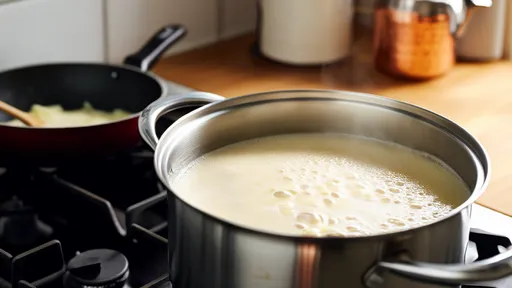
Mastering the technique requires more than just dumping oil into water. The details are what separate a good result from a great one. Start with a large pot and a generous amount of water. The water should be at a rolling boil *before* the oil is added. This ensures the oil disperses evenly throughout the pot. A tablespoon is the sweet spot for a standard large pot; much more and you risk creating a greasy film, much less and the effect is diminished. Salt the water aggressively as well, as if you were cooking pasta. This seasons the vegetable from the inside out, enhancing its inherent sweetness and flavor, which the oil coating will then help lock in.
The choice of oil matters. A neutral oil with a high smoke point is ideal. Extra virgin olive oil, while flavorful, is not the best candidate here. Its distinct flavor can be altered by the high heat, and its lower smoke point can lead to a faintly bitter taste. It’s better saved for the finishing drizzle after the vegetables are cooked. Opt instead for oils that are clean and quiet: safflower, peanut, avocado, or the standard vegetable oil found in most pantries. Their job is purely functional—to protect and gloss, not to flavor.
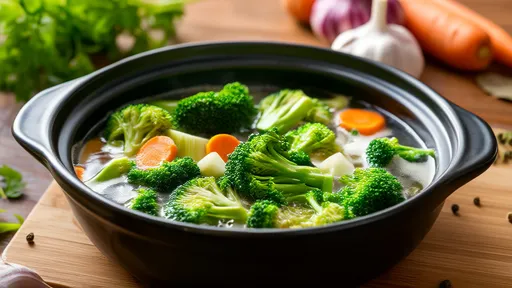
The vegetables must be prepared properly. Cut them into uniform sizes to ensure even cooking. No one wants mushy stems and crunchy tips on the same asparagus spear. Once the oiled, salted water is at a furious boil, add the vegetables in batches. Overcrowding the pot is a cardinal sin. It causes the water temperature to plummet, leading to uneven cooking and increased nutrient loss as the vegetables wallow in tepid water for longer. The boil should return within seconds. Cook just until the vegetables are tender-crisp, or al dente—they should still have a pleasant resistance to the bite. The moment they are done, immediately remove them from the boiling water and plunge them into a prepared ice bath, a bowl of water filled with ice cubes.
This "shocking" step is the perfect partner to the oil blanch. The ice water halts the cooking process instantly, preserving that perfect texture and the bright color you worked so hard to achieve. Without shocking, the residual heat within the vegetable would continue to cook it, pushing it past crisp-tender into soft and dull. The oil already on the surface helps the water sheet off quickly after draining from the ice bath, leaving you with dry, glossy, perfectly cooked vegetables ready for a final sauté with garlic, a splash of lemon juice, or simply to be served as is.
This technique, while simple, connects us to a broader philosophy of cooking: that attention to the smallest details often yields the most significant rewards. It demonstrates an understanding of food not just as sustenance, but as a multisensory experience where sight is the first bite. That dazzling green on the plate promises freshness, flavor, and care. It transforms the humble act of boiling vegetables from a mundane task into a deliberate craft. So the next time you bring a pot of water to a boil, remember the power of that single tablespoon. It’s a small gesture with the power to elevate your cooking, proving that sometimes, the oldest secrets in the kitchen are the most brilliant.

By /Aug 20, 2025
By /Aug 20, 2025

By /Aug 20, 2025
By /Aug 20, 2025
By /Aug 20, 2025
By /Aug 20, 2025
By /Aug 20, 2025

By /Aug 20, 2025
By /Aug 20, 2025
By /Aug 20, 2025
By /Aug 20, 2025
By /Aug 20, 2025

By /Aug 20, 2025
By /Aug 20, 2025
By /Aug 20, 2025
By /Aug 20, 2025

By /Aug 20, 2025
By /Aug 20, 2025
By /Aug 20, 2025
By /Aug 20, 2025
