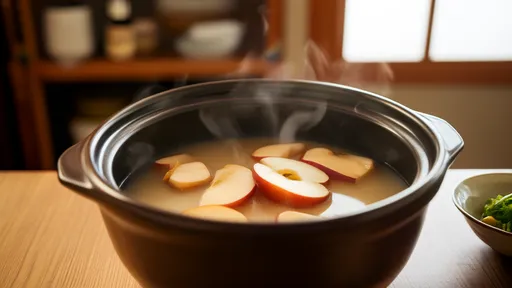
There is a quiet revolution simmering in kitchens across the globe, a subtle shift away from the complex and the processed toward the simple and the profound. It is found in the gentle steam rising from a humble pot of oden, a traditional Japanese one-pot dish, where the soul of the meal—the dashi broth—is undergoing a beautiful transformation. For generations, the foundation of a great dashi has been a classic duet: katsuobushi (dried bonito flakes) and kombu (dried kelp). This pairing creates a deeply savory, umami-rich base that is the undisputed heart of much of Japanese cuisine. Yet, a new, intriguing variation is capturing the imagination of home cooks and chefs alike, one that promises a different kind of depth, a luminous and natural sweetness that feels both innovative and deeply comforting. This variation introduces an unexpected, yet utterly logical, third player to the ensemble: the humble apple.
The magic of this new broth begins, as all good things do, with quality ingredients. The kombu is the first pillar. Not all kombu is created equal; the varieties from Hokkaido, such as Rausu or Rishiri kombu, are highly prized for their superior flavor. This dried kelp is not merely a seaweed; it is a reservoir of glutamates, the compounds responsible for the savory taste known as umami. When steeped gently in water, it slowly releases these compounds, along with minerals from the sea, creating a liquid that tastes profoundly of the ocean's depth. The key is to never let it boil. Boiling will make the kombu slimy and can impart a bitter, unwelcome note. Instead, it is about patience—allowing the kelp to slowly infuse its essence into the water over low heat, a quiet meditation before the main event.
Then comes the surprise, the element that challenges tradition and invites a wave of new flavor: the apple. The choice of apple is not incidental. A tart, firm variety like a Granny Smith is often preferred for its high acidity and bright flavor, which will survive the cooking process without turning into a mushy, overly sweet pulp. The apple is not merely chopped and tossed in; it is often grated. Grating the apple, skin and all, maximizes its surface area, allowing every bit of its pectin, malic acid, and natural fructose to dissolve into the broth. This technique is a small but crucial step, a detail that separates a good broth from a sublime one. The grated apple almost melts away, becoming one with the liquid, its identity transformed from a solid fruit into an essential, aromatic essence.
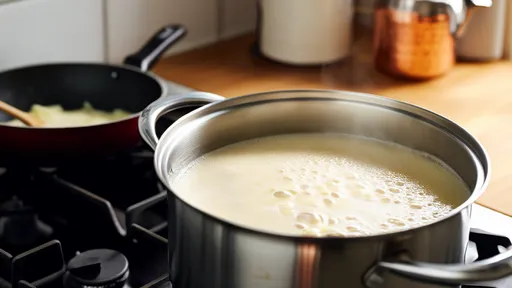
The process of building the broth is a lesson in layered cooking. The kombu is started in cold water, brought to the very brink of a boil, and then promptly removed. Into this now-umami-charged liquid goes the cloud of grated apple. The heat is maintained at a gentle simmer, not a rolling boil, for a period that allows for a full marriage of flavors. The apple’s sharp tartness and inherent sweetness perform a delicate dance with the kombu’s saline richness. The malic acid from the apple seems to brighten the deep sea flavors, while the fructose provides a round, soft sweetness that is entirely natural and unrefined. This is not the cloying sweetness of added sugar; it is a foundational, complex sweetness that forms the backbone of the broth, making it incredibly versatile and deeply satisfying on a primal level.
What emerges from this synergy is a dashi that is nothing short of revelatory. The aroma that wafts from the pot is complex and inviting—a clean, oceanic breeze cut with a fresh, orchard-like fruitiness. The flavor profile is beautifully balanced. The initial taste is the clear, familiar umami of the kombu, a taste that speaks of salt spray and rocky shores. This is immediately followed, not overshadowed, by a wave of gentle, natural sweetness. The finish is clean and bright, with no single element overpowering the other. It is a broth that feels both light and substantial, a paradox that makes it endlessly drinkable. This is the core of its genius; it is a masterstock that enhances everything cooked in it without dominating.
This apple-kombu dashi becomes the most generous of hosts. When used for oden, the classic assortment of daikon radish, hard-boiled eggs, fish cakes, and konnyaku simmers in this broth, each ingredient behaves like a sponge. The daikon soaks up the sweet and savory liquid, becoming impossibly tender and flavorful. The eggs take on a new dimension, their creamy yolks providing a rich contrast to the bright broth. Even the relatively neutral fish cakes and konnyaku are elevated, becoming carriers of this exquisite flavor. The broth does not just cook the ingredients; it transforms them, gifting them with its complex character. The result is a pot of oden that is comforting yet sophisticated, familiar yet excitingly new.
The beauty of this creation extends far beyond a single dish. This broth is a culinary workhorse. It can form the base for a delicate miso soup, where the apple’s sweetness complements the fermented savoriness of the miso paste in a way that traditional dashi sometimes cannot. It is an exceptional broth for poaching delicate white fish or chicken, imparting a subtle flavor that enhances rather than masks the protein’s natural taste. It can be reduced slightly to become a stunningly light sauce for vegetables or tofu. Its application is limited only by the cook's imagination, proving that the best pantry staples are those that open doors rather than close them.
Ultimately, the apple and kombu broth is more than just a recipe; it is a philosophy. It is a testament to the power of simplicity and the magic that can happen when we view ingredients not for what tradition says they are, but for the potential they hold. It demonstrates that depth of flavor does not require a long list of ingredients or complex techniques. Often, it requires the opposite: a few excellent components, treated with respect and understanding, and allowed to converse with one another in the pot. This broth is a quiet celebration of natural sweetness, a reminder that the best flavors are often those we simply allow to emerge, rather than force. In a world of increasingly complex and artificial tastes, it is a welcome return to clarity, elegance, and the profound pleasure of something made, slowly and thoughtfully, from scratch.

By /Aug 20, 2025

By /Aug 20, 2025

By /Aug 20, 2025

By /Aug 20, 2025

By /Aug 20, 2025
By /Aug 20, 2025

By /Aug 20, 2025

By /Aug 20, 2025

By /Aug 20, 2025
By /Aug 20, 2025

By /Aug 20, 2025
By /Aug 20, 2025

By /Aug 20, 2025
By /Aug 20, 2025

By /Aug 20, 2025

By /Aug 20, 2025

By /Aug 20, 2025
By /Aug 20, 2025

By /Aug 20, 2025

By /Aug 20, 2025
